

Process
From end-of-life battery to material opportunity.
A disciplined process protects people, preserves material value, and prepares battery-bearing inputs for the next stage of recovery.
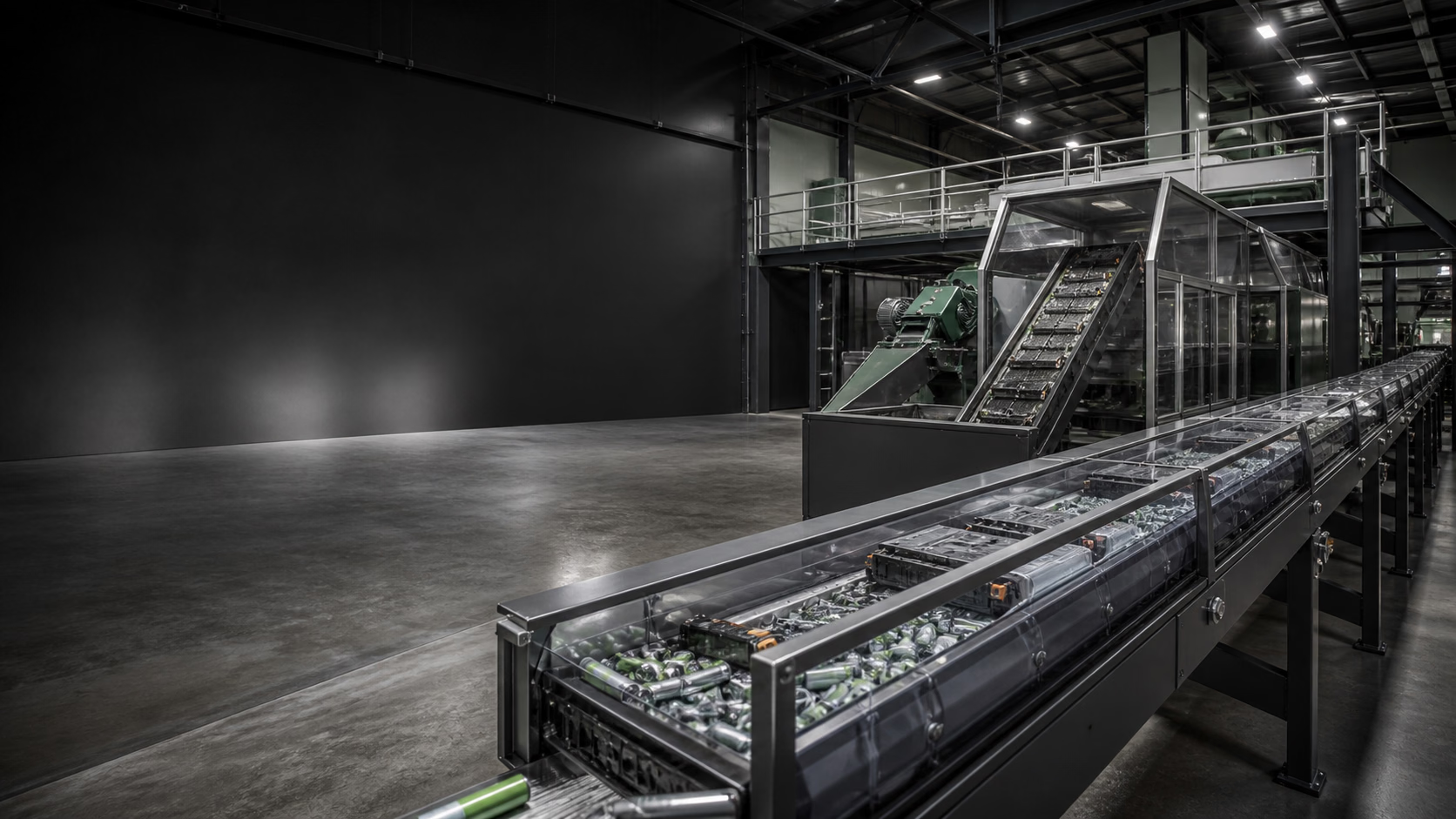
Controlled by design
Each stage has one job: move material forward without losing accountability.
The working pathway
These stages reflect Mirai’s current operating narrative and remain subject to final client process validation before production launch.
- 01
Intake and assessment
Feedstock is documented and assessed by format and battery chemistry before it enters a controlled processing route.
- 02
Safe preparation
Batteries are prepared for processing through defined handling and segregation procedures suited to their condition.
- 03
Mechanical processing
Controlled size reduction and separation concentrate valuable battery-bearing material while separating other fractions.
- 04
Black-mass output
The resulting black mass becomes an industrial input for downstream critical-mineral recovery and refining pathways.
- 05
Circular return
Recovered material can move back toward the battery value chain, reducing resource loss and supporting more resilient supply.
The output
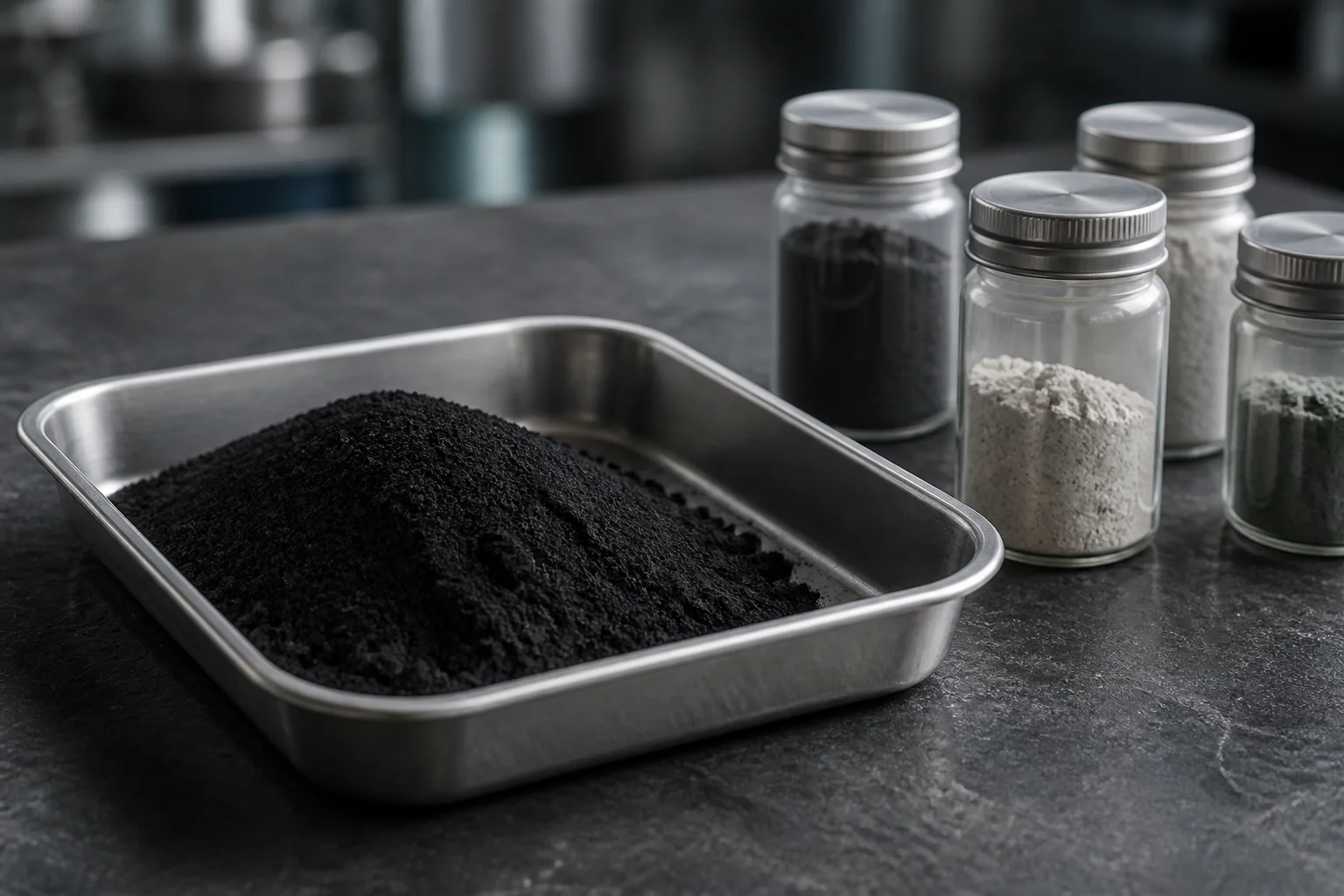
Black mass concentrates the next opportunity.
Mechanical processing brings valuable battery-bearing material together into a form suited to downstream separation and refining. It is a bridge between retired batteries and future critical-material supply.
A circular supply chain takes partners
Bring your battery-material pathway into the conversation.
Start a practical conversation about battery feedstock, black mass, lifecycle planning, or strategic collaboration.